
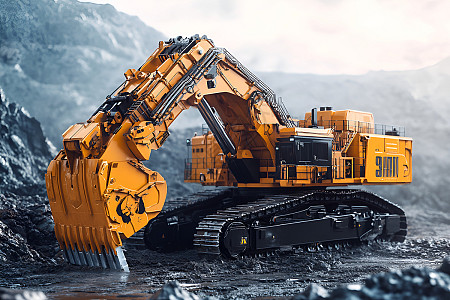
Diesel Engine Black Smoke Failure Analysis Article
Why Does a Diesel Engine Emit Black Smoke? Causes, Troubleshooting & Replacement Parts Guide
2. Recommended Featured Image Name (SEO image filename)
deutz-diesel-engine-black-smoke-fault-troubleshooting.jpg
Image Alt Text (for image SEO)
DEUTZ diesel engine emitting black smoke, common failure diagnosis and spare parts replacement guide
3. Full English Article Body (Suitable for website blog post, industrial foreign trade style)
Why Does a Diesel Engine Emit Black Smoke? Causes, Troubleshooting & Replacement Parts Guide
Black smoke from diesel engines is one of the most frequent malfunctions for construction machinery, generator sets and agricultural equipment fitted with DEUTZ, VOLVO and Cummins power units. Thick black exhaust means incomplete fuel combustion inside cylinders, which wastes diesel fuel, reduces engine power, accelerates internal component wear, and violates environmental emission standards. This article sorts out all common triggers, simple inspection steps and matching replacement spare parts for quick repair.
1. Primary Cause: Abnormal Fuel Injection System
The fuel supply system is the top source of black smoke faults. If fuel cannot be atomized fully, excess unburned diesel will turn into black carbon particles and discharge with exhaust gas.
- Clogged fuel injector nozzles: Carbon deposits block tiny spray holes, leading to thick fuel streams instead of fine mist. Replace injectors or repair nozzle assemblies to restore normal atomization.
- Worn fuel injection pump: Internal plunger wear causes excessive fuel delivery beyond combustion capacity. New OEM or aftermarket injection pumps are available for DEUTZ TCD2012, BFM1013 and TCD2013 engines.
- Blocked fuel filter: Dirty filters cut fuel flow stability, causing irregular injection. Regular replacement of fuel filter elements is basic daily maintenance.
2. Insufficient Intake Air Supply
Full combustion requires a balanced ratio of diesel and air. Any blockage on the air intake side will create an oxygen shortage and produce black smoke.
- Dirty air filter: Dust and debris block filter cotton, limiting air intake volume. Clean or replace air filter elements regularly for heavy-duty working environments.
- Cracked intake pipeline or loose clamps: Air leakage disrupts the air-fuel mixing ratio. Check rubber hoses and fastening clips for aging and breakage.
- Malfunctioned turbocharger: Damaged turbine blades or leaking turbo seals reduce supercharging air volume. Turbocharger repair kits and complete turbo assemblies are supplied for most DEUTZ engine models.
3. Incorrect Engine Injection Timing
Delayed fuel injection timing makes diesel ignite late, leaving insufficient time for full combustion. The unburned fuel forms black smoke when exhausted. Professional mechanics adjust injection timing via fuel pump calibration; severely worn timing gears or chains need direct replacement.
4. Overload Operation of Equipment
When load exceeds the engine’s rated power, the system injects extra diesel to output more torque, while air intake cannot match the increased fuel supply. Operators must avoid long-term overload work to prevent permanent carbon buildup inside cylinders and piston rings.
5. Damaged Internal Engine Components
Long-term black smoke will worsen internal wear, and worn parts in turn aggravate smoke issues:
- Carbon-blocked piston rings: Failed oil control and compression rings cause poor combustion. Replace piston ring sets during engine overhaul.
- Scuffed cylinder liners: Gap between liner and piston reduces compression pressure, lowering combustion efficiency.
- Faulty exhaust valves: Leaking valves lose cylinder pressure, resulting in incomplete fuel burn.
Quick Step-by-Step Troubleshooting Checklist
- Check the air filter first and replace it if blocked;
- Inspect intake pipes for air leakage and tighten loose connectors;
- Test fuel injectors for clogging or poor atomization;
- Verify fuel pump delivery volume and injection timing;
- Check turbocharger operating status for supercharging failure;
- Disassemble to inspect piston rings, cylinder liners and valves if smoke persists after above checks.
Our Supporting Spare Parts Supply
We provide genuine and aftermarket replacement parts to solve black smoke faults for all DEUTZ diesel engines, including fuel injectors, injection pumps, turbochargers, air filters, piston assemblies, cylinder liners and valve kits. Single-piece and bulk wholesale orders are both acceptable, with fast global delivery and competitive factory-direct prices.
If you encounter black smoke failures on your DEUTZ machinery engines, contact our team for professional technical support and matching OEM part numbers.
